


Tsaaro got CERT-IN Empanelled | MeitY has published the DPDP Rules, 2023.
Tsaaro got CERT-IN Empanelled | MeitY has published the DPDP Rules, 2023.
Tsaaro got CERT-IN Empanelled | MeitY has published the DPDP Rules, 2023.
Tsaaro got CERT-IN Empanelled | MeitY has published the DPDP Rules, 2023.

Back To Home
Research Team (Tsaaro)
India Responds to Privacy Concerns Over Smartphone Security Proposal

Recent reports suggesting that India plans to force smartphone manufacturers to disclose their operating system source code have triggered concerns around privacy and intellectual property. In response, the Ministry of Electronics and Information Technology (MeitY) has issued a clarification, stating that no such decision has been taken. MeitY explained that the discussions currently underway with smartphone manufacturers, including companies such as Apple and Xiaomi, are part of its regular consultations on mobile safety and security standards. The Ministry emphasised that these talks are exploratory and aimed at understanding technical challenges, compliance requirements, and global best practices.
Consultations, Not Compulsions
According to the Ministry, the purpose of these engagements is to balance national security concerns with innovation and the ease of doing business. Officials clarified that reports suggesting mandatory disclosure of source code were based on a misreading of the Indian Telecom Security Assurance Requirements (ITSAR) issued in 2023. While the ITSAR framework refers to third-party audits and advance notice of software updates, the government stressed that the legislation does not amount to a blanket or immediate requirement for companies to share their proprietary source code.
Background and Regulatory Context
The consultations have gained momentum following the enactment of the Telecommunications Act, 2023. After industry representations seeking clearer regulatory oversight, smartphone-related security discussions were brought under MeitY’s supervision, continuing earlier work initiated by the Department of Telecommunications. Importantly, the government noted that no smartphone manufacturer has raised formal objections regarding the consultation process so far.
Industry View
The India Cellular and Electronics Association (ICEA), which represents major smartphone brands operating in India, also played down concerns. It described the issue as ongoing and familiar, stating that such discussions are a normal part of transparent stakeholder engagement and do not indicate any immediate regulatory change This reflects India’s broader effort to strengthen digital and telecom security while remaining sensitive to privacy, proprietary technology, and global industry standards. For now, the government’s position remains clear: these are consultations, not mandates, and no final decision has been made.
News of the week
1) Amid ICE raids, some Home Depot investors want to know how law enforcement uses its surveillance data

Amid intensified immigration enforcement in the United States, investors are pressing, Home Depot to clarify how surveillance data collected at its stores is used and shared with law enforcement agencies. The scrutiny follows reports that Immigration and Customs Enforcement (ICE) has conducted raids in Home Depot parking lots, locations where migrant day labourers are known to gather. Independent media reports further indicated that surveillance data from Flock Safety, a vendor used by Home Depot for license-plate recognition, has been utilised in immigration enforcement investigations after being shared by local police departments. Although Home Depot has stated that it does not grant federal agencies direct access to its surveillance systems, critics argue that data-sharing arrangements with local law enforcement can still result in indirect federal use without transparency or consent. A group of shareholders has pressed Home Depot to formally assess and disclose the privacy, civil rights, and legal risks arising from its use of third-party surveillance technologies, highlighting potential harms such as wrongful detention, discrimination, data misuse, and exposure to evolving state privacy laws. While Home Depot maintains that it cannot interfere with federal enforcement actions and denies knowingly sharing surveillance data with ICE, civil society groups argue that indirect data-sharing between local police and federal agencies enables effective federal surveillance without adequate safeguards.
2) TikTok to tighten age checks in Europe as regulators ramp up pressure
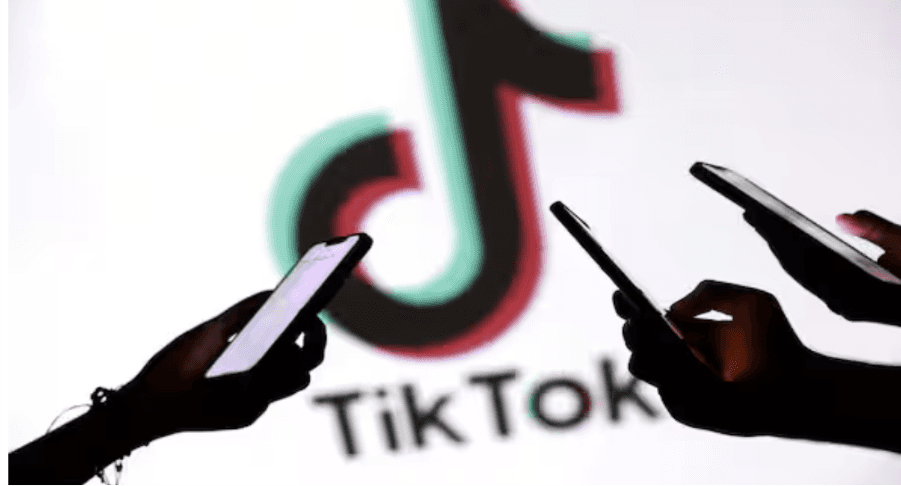
TikTok has announced that it will roll out new age-detection technology across Europe in the coming weeks, following a year-long pilot program and growing regulatory pressure to curb under-13 use of social media. The system uses signals such as profile information, posted content, and behavioural patterns to assess whether an account may belong to a child. The move comes amid heightened European scrutiny over how platforms verify users’ ages without breaching strict data-protection norms. Policymakers argue that current methods are either ineffective or overly intrusive, as debates intensify globally ranging from Australia’s ban on social media for under-16s to proposals in the European Parliament and Denmark for stricter age limits. TikTok says its UK pilot led to the removal of thousands of under-13 accounts but concedes that no universally accepted, privacy-preserving age-verification method yet exists. The system has been developed specifically to meet European legal requirements, in consultation with Ireland’s Data Protection Commission, and users will be notified as the rollout begins.
3) Italy’s privacy watchdog hit by probe into alleged corruption

Italy’s data protection watchdog, the Italian Data Protection Authority (GPDG), is under criminal investigation after raids by the Financial Guard at its Rome offices. Prosecutors are probing the entire board, including President Pasquale Stanzione, over allegations of embezzlement, corruption, and misuse of public funds, following reports that representative expenses rose sharply from about €20,000 in 2021 to nearly €400,000 in 2024, allegedly covering luxury travel and personal charges. A key focus is suspected “pay-to-play” conduct in regulatory enforcement, including scrutiny of why a proposed €44 million fine against Meta over privacy issues linked to its smart glasses was reportedly reduced to €1 million after an unofficial meeting. The probe also examines a case involving Ita Airways and possible conflicts of interest. The scandal is striking given the GPDG’s tough stance against tech firms, including actions against OpenAI and ChatGPT. While Stanzione has denied all allegations, the investigation raises serious concerns for fintech and big tech about the credibility and consistency of Italy’s data-regulatory regime.
Source:https://brusselssignal.eu/2026/01/italys-privacy-watchdog-hit-by-probe-into-alleged-corruption/
For any queries, Connect with us.