


Tsaaro got CERT-IN Empanelled | MeitY has published the DPDP Rules, 2023.
Tsaaro got CERT-IN Empanelled | MeitY has published the DPDP Rules, 2023.
Tsaaro got CERT-IN Empanelled | MeitY has published the DPDP Rules, 2023.
Tsaaro got CERT-IN Empanelled | MeitY has published the DPDP Rules, 2023.

Back To Home
Research Team (Tsaaro)
Global Surge in Sophisticated Cyber-Threats

The cyber-threat intelligence report released on 20 April 2026 paints a sobering picture of a vulnerable digital landscape where local and international security have effectively merged. The documentation focuses on large-scale data breaches at global infrastructure providers and retail giants, involving the unauthorised exfiltration of sensitive transactional histories and personal identifying information. Threat actors are now leveraging advanced AI-driven tools to automate reconnaissance, allowing them to exploit vulnerabilities in cloud services with unprecedented speed. This shift means even high-profile platforms are struggling to keep pace with the velocity of automated intrusion attempts.
For Indian users, the ramifications are profound despite the physical distance from the primary servers. Since the Indian digital economy is deeply integrated with global SaaS providers and international e-commerce hubs, a compromise in an overseas data centre often includes the personal details of millions of Indian citizens. The report notes that credit card metadata and cross-border payment histories are frequently shared across these networks, making Indian consumers prime targets for secondary attacks like personalised phishing campaigns or the sale of comprehensive dossiers on dark web marketplaces.
The breach involved the exposure of full names, physical addresses, and contact details, often used to bypass two-factor authentication via social engineering.
Transactional logs including bank account metadata and purchase histories were leaked, providing attackers with the context needed for convincing financial scams.
Critical system environment variables and API keys were compromised, potentially allowing hackers to access integrated third-party services used by Indian businesses.
The report identified a surge in "Fake AI" installers and fraudulent mobile applications that harvest biometric and wallet data globally.
Evidence suggests that state-sponsored actors and ransomware groups are increasingly targeting the supply chains connecting international providers to regional markets like India.
In conclusion, the 2026 threat landscape marks a permanent shift toward "living-off-the-cloud" attacks, where hackers use business efficiency tools to hide their tracks. For India, this necessitates a move toward "zero trust" architectures on a national scale, ensuring that data is never automatically trusted based solely on its origin from a reputable global service. Without this shift in mindset, the bridge between international breaches and local victimisation will only continue to shorten, threatening the overall stability of the digital economy.
Source: 20th April: Threat Intelligence Report
News of the week:
FTC Scrutiny Leads to AI Data Purge

Following regulatory scrutiny, an artificial intelligence firm has deleted millions of user images and personal data points harvested from a prominent dating platform. This enforcement action was not limited to the raw datasets but also required the total removal of AI models and algorithms that had been trained on the information. This move highlights a growing trend of "algorithmic disgorgement", where companies are forced to destroy the actual technology developed from inappropriately obtained data, ensuring they cannot continue to benefit from unethical practices.
The decision reflects a significant tightening of global standards regarding informed consent and the commercialisation of sensitive personal details. It serves as a clear signal from regulators that the era of unrestricted data scraping for machine learning is being met with much stricter legal consequences. For users worldwide, this development underscores the importance of robust data protection frameworks that prioritise individual privacy over corporate development, forcing a shift towards more transparent and ethically grounded AI training methodologies.
Source: AI company deleted OkCupid user photos and data after FTC scrutiny.
India Withdraws Mandatory Aadhaar App Proposal

The Indian government has withdrawn a proposal that would have required smartphone manufacturers to pre-install the Aadhaar application on all mobile devices. The decision followed significant pushback from industry stakeholders, who argued that such a mandate would stifle market competition and create complex compliance challenges for global hardware providers. Manufacturers expressed concern that forcing specific software integration at the manufacturing stage could disrupt the balance of the digital ecosystem and impose a rigid regulatory burden on the private sector.
Privacy advocates and civil rights groups also played a central role in the resistance, citing the potential for increased state surveillance if a biometric identity tool were embedded at the system level. Critics highlighted that pre-installing the application could diminish user autonomy over personal data and introduce security vulnerabilities. By opting against the mandate, the government has adopted a more cautious stance, prioritising the protection of individual privacy rights and maintaining a competitive landscape for digital governance.
Source: India drops proposal to mandate national ID app Aadhaar on smartphones after pushback.
US Lawmakers Extend Foreign Surveillance Powers
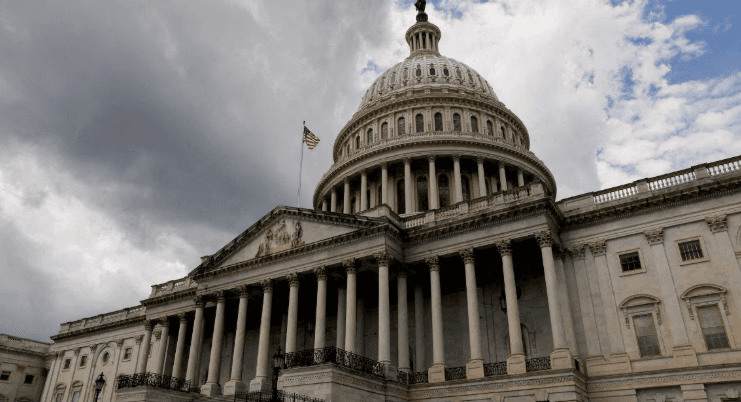
United States lawmakers have approved a short-term extension of the government’s foreign surveillance powers, ensuring the continued collection of digital communications for national security purposes. This renewal allows intelligence agencies to maintain access to data from non-citizens located outside the country, a tool officials argue is indispensable for preventing external threats. The legislative decision reflects a strategic priority to avoid a lapse in intelligence gathering while broader debates regarding the scope of these authorities continue to unfold within the government.
The extension has met with sharp criticism from civil liberties organisations, who contend that the current framework lacks sufficient oversight to protect individuals from warrantless searches. Advocates for privacy reform warn that without more stringent judicial safeguards, the potential for domestic data being swept up in foreign surveillance remains a significant concern. This latest development underscores the persistent friction between the demands of national security and the preservation of fundamental privacy rights in an increasingly monitored digital environment.
Source: House passes 10-day renewal of government's foreign spy powers.